

To comprehensively and strategically address hate speech and hate crimes targeting the LGBTIQ+ community in Slovenia.
The program addresses the problem in a holistic and strategic way, from support for targets of hateful incidents, prevention, community mobilization, cooperation with institutions, awareness-raising and advocacy for structural changes.


You can report incidents of LGBTIQ+ hate speech, hate crime and hateful incidents to us using our Incident Report form. We also support you in submitting reports of hateful incidents to the police and throughout the procedure.

Goals
Increased number of reports of homophobic, transphobic and other LGBTIQ+ phobic attacks
Strengthened and coordinated advocacy
Systemic and structural changes in the field of preventing and addressing hate speech and hate crimes against LGBTIQ+ people.
Strengthened and expanded mechanisms for addressing and transforming hate speech against LGBTIQ+ people
More effective identification, reporting, handling and prevention of hate speech or its transformation.
Established and functioning community of professionally trained people
Providing support to targets of LGBTIQ+ specific violence, hate speech and incidents.

Key Activities
Safe at Pride
We systematically address hate incidents and security throughout the annual Ljubljana Pride Festival with our community mechanism of Safe Persons and collaboration with police, including mutual training.
Hate incident reporting
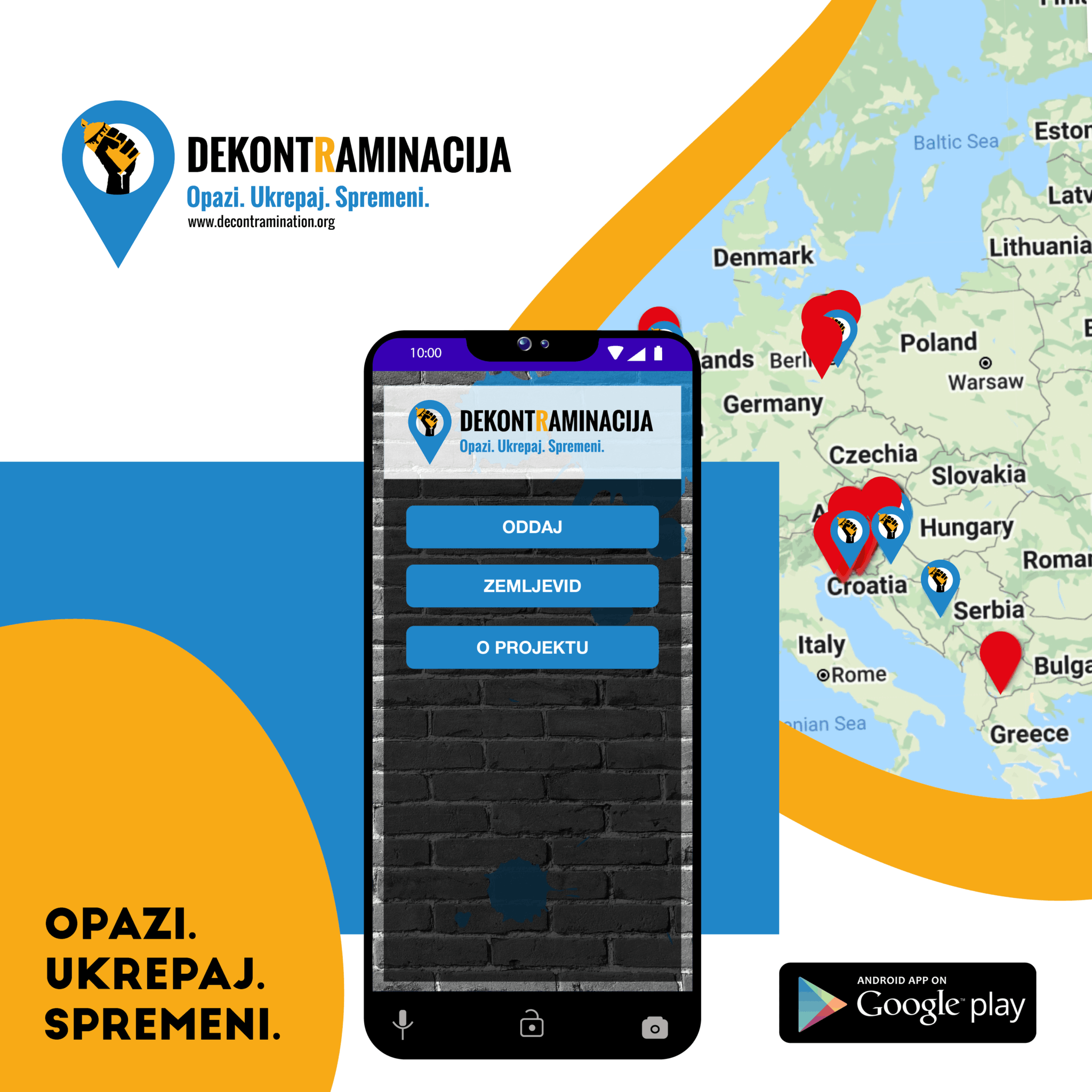
You can report incidents of LGBTIQ+ hate speech, hate crime and hateful incidents to us using our Incident Report form. We also support you in submitting reports of hateful incidents to the police and throughout the procedure. We produce annual professional reports on incidents and manifestations of hate.
Development of mechanisms and approaches to confronting LGBTIQ+ specific hate speech online and in public space
We develop strategies for responding to hate speech and other forms of hostile attacks on the Pride Parade Association and the LGBTIQ+ community. We develop and implement educational programs on Transformation and Decontraception of Hate Speech for all those working with young people and for other stakeholders in the field.
Awareness and advocacy
We advocate for structural change based on the analysis of the annual incident report and needs of the community, as well as raising awareness within the LGBTIQ+ community and wider public on the effects of hate towards the LGBTIQ+ community and importance of reporting.
Participation in coalitions to address hate speech
We participate in civil society initiatives and coalitions to address hate speech and hate crimes.

Impacts
1. MORE REPORTS OF HATE SPEECH
Increased number of reports of LGBTIQ+ specific hate speech, attacks and incidents to existing mechanisms and empowering the LGBTIQ+ community to report.
2. DEVELOPED MECHANISMS FOR ADDRESSING HATE SPEECH
Increased awareness and recognition of existing mechanisms and approaches to confronting hate speech and hatred, especially increasing trust in the usefulness and meaningfulness of these mechanisms, tools and approaches among the LGBTIQ+ population.
3. GREATER PUBLIC AWARENESS
Increased public awareness of the harmful consequences of hate speech and hatred for the LGBTIQ+ population, especially LGBTIQ+ youth, and established cooperation with institutions for structurally addressing the issue.
4. AWARENESS AND TRAINING OF STAFF
Awareness and training of professional staff and stakeholders for recognizing, addressing and transforming hate speech.

For Whom?
The program addresses the needs of targets and victims of violence on the one hand; and on the other hand, the needs of all those who have the power to do something in their fields – the need for training and knowledge, the need for resilience in the event of retaliation. Write to us at info@ljubljanapride.org.

Projects
Impact 4 Values: Hate Speech Transformation
Duration: 1. 11. 2025 – 31. 10. 2027
Purpose: Holistic and sustainable programme development to enable full operationalisation and expansion of the programme.
Results:
A 30% increase in the number of reports of homophobic, transphobic, and other forms of LGBTIQ+-phobic attacks, both in overall reporting and in official reports submitted to the police and other competent authorities.
Strengthened and coordinated advocacy efforts aimed at systemic and structural changes in the prevention and addressing of hate speech and hate crimes targeting LGBTIQ+ persons.
Strengthened and expanded mechanisms for addressing and transforming hate speech against LGBTIQ+ persons, enabling more effective identification, reporting, handling, prevention, and transformation of hate speech.
The establishment of a functioning community of professionally trained individuals providing support to targets of LGBTIQ+-specific violence, hate speech, and related incidents.
More effective addressing and prevention of hate speech and attacks against LGBTIQ+ persons through structural changes at the institutional level.

Materials
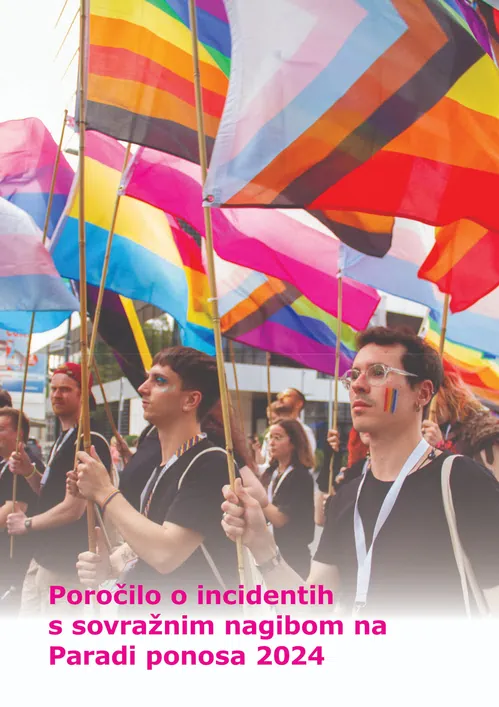
Report on Hate-Motivated Incidents at Pride Parade 2024
Language: Slovenian
The “Safe at Pride” report, co-funded by the Impact4Values programme, analyses hate-motivated incidents before, during and after the 2024 Pride Parade, including threats, attacks and the destruction of rainbow symbols. These incidents reflect homophobia, biphobia and transphobia and remain insufficiently condemned. The organisers criticise the police for inadequate protection and an insufficient response to violence, and highlight the need for better cooperation between the Police and Ljubljana Pride.
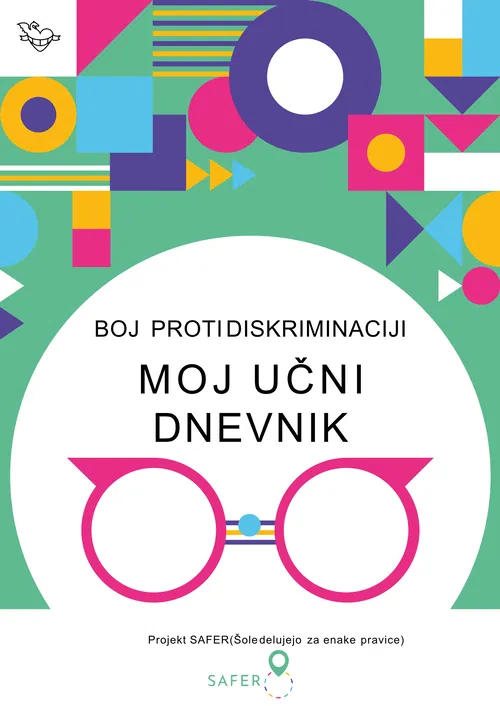
Combating Discrimination
Language: Slovenian
This comprehensive learning journal is designed as a resource for educators and other school staff in addressing inequality and discrimination in schools. It includes theoretical explanations, exercises, and reflection questions to support a deeper understanding of the topic and encourage critical self-reflection as key actors in transforming schools into more inclusive and safer environments. Take the time to understand the background, complete the exercises, and reflect on yourself and your work.

Transforming Hate in Youth Settings
PRACTICAL TOOLKIT
Language: Slovenian, English
This toolkit has been developed to help youth workers transform hate speech and behaviour in youth settings. Hate expressed by words, behaviour and attitudes is a form of violence that can easily be overlooked or ignored. When it is left unchallenged it can become normalised within our society and escalate into physical violence on a larger scale. Challenging hate when it occurs sends a clear message to young people that these attitudes and words are harmful and it takes the dehumanising impact of hate seriously. With the rapid growth of social media, which provides a willing platform, the ways in which hate speech can impact on people in all areas of society have multiplied. There is no widespread clarity on what hate speech is and how to address it. We intend for this toolkit to meet some of these needs by supporting youth workers to have concrete and adaptable tools to enable them to recognise, challenge and ultimately transform hate speech.

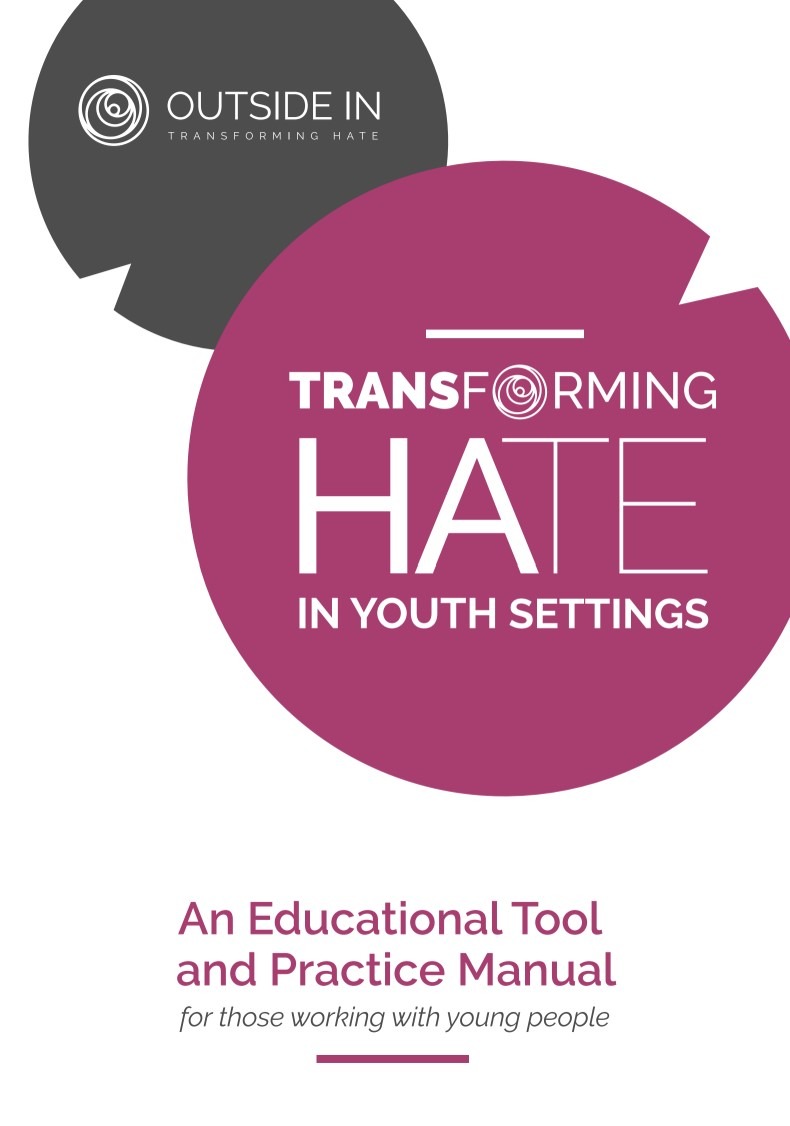
Transforming Hate in Youth Settings
AN EDUCATIONAL TOOL AND PRACTICE MANUAL FOR THOSE WORKING WITH YOUNG PEOPLE
Language: Slovenian, English
This Manual is designed to support youth workers engaging with young people who express hateful speech and/or behaviour in youth settings.
It focuses on our practice as youth workers: to become more aware of our communication and listening skills; to understand how we can create safer spaces in youth settings that support learning and change to happen; and to focus on working with those young people that spread hate – through their speech or behaviour – whether they are conscious of doing so or not. The Manual gives us the tools to work towards transformative practice with young people with the aim of bringing about a real change in attitudes and behaviours with young people.
Programme made possible by:

Co-funded by the European Union. Views and opinions expressed are however those of the author(s) only and do not necessarily reflect those of the European Union or the European Education and Culture Executive Agency (EACEA). Neither the European Union nor EACEA can be held responsible for them.