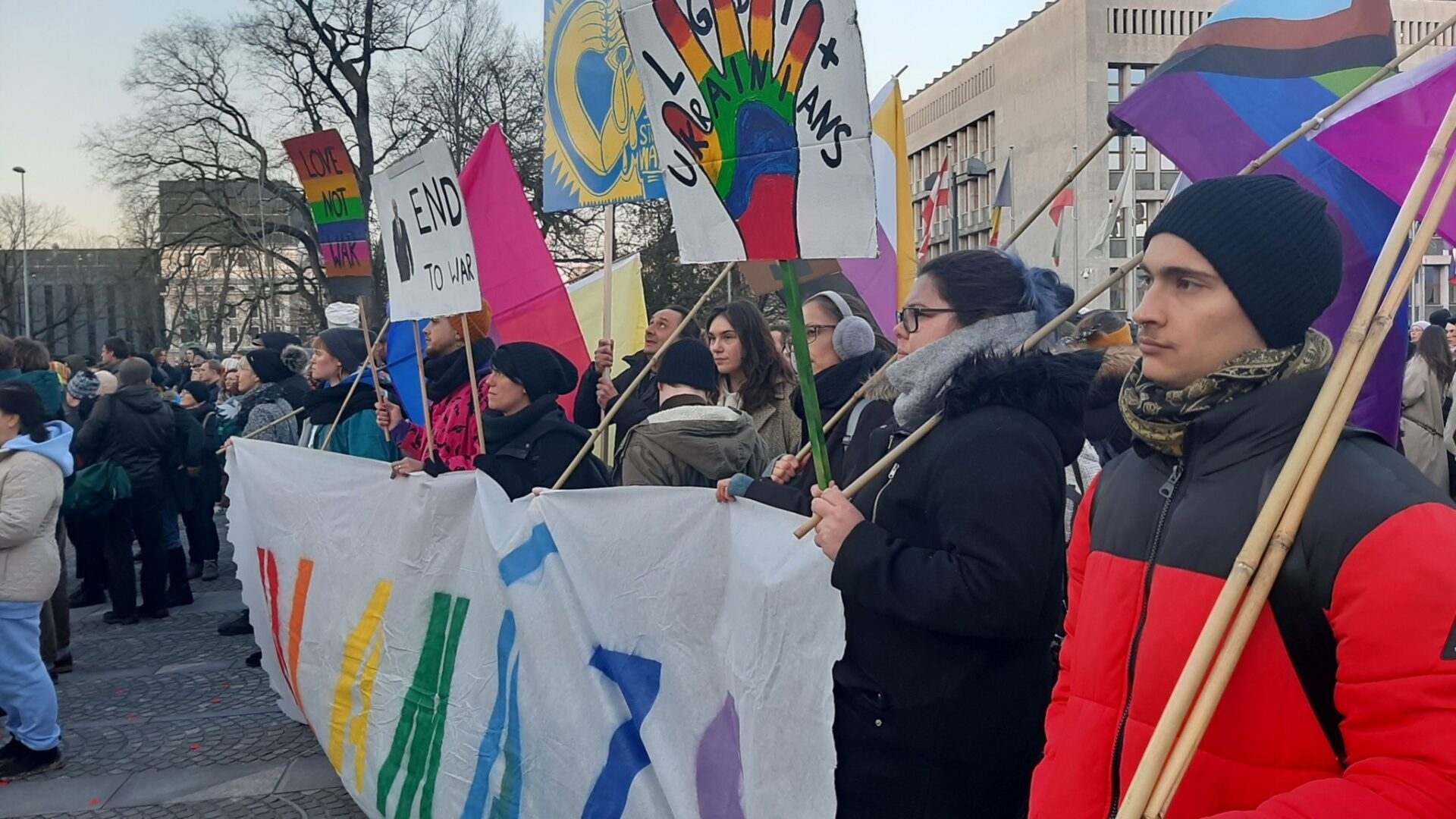
The purpose of the Ljubljana Pride Association is to contribute to building a society that is non-discriminatory, inclusive, and open to all individuals, regardless of their sex, sexual orientation, gender identity, or any other personal circumstance. It was established with the aim of promoting and protecting the human rights and interests of the lesbian, gay, bisexual, transgender, intersex, and queer (hereinafter LGBTIQ) population. The Association operates as a youth, volunteer-based, independent, and non-profit civil society organisation.
As an organisation, the Association represents a marginalised social group – young LGBTIQ+ people – and articulates their needs within society. As the organiser of the annual Pride Parade, it also takes on the role of articulating the broader social interests and rights of the LGBTIQ+ community in Slovenia. It clearly positions itself as an organisation that fights against all forms of racism, discrimination, homophobia, and other social manifestations based on the establishment of hierarchies between people.
Since its establishment, the Association has operated and created exclusively through voluntary work. Both its leadership structures and those responsible for its entire programme and activities are volunteers. During the Association’s years of operation, the number of participants in the Pride Parade increased from several hundred to 1,500 in 2016, while attendance at accompanying events grew from just over 300 to more than 2,000 at the 2016 Ljubljana Pride Festival. More than 100 young volunteers also took part in the organisation and implementation of the Festival.
Historical Background of Pride
Stonewall Inn riots
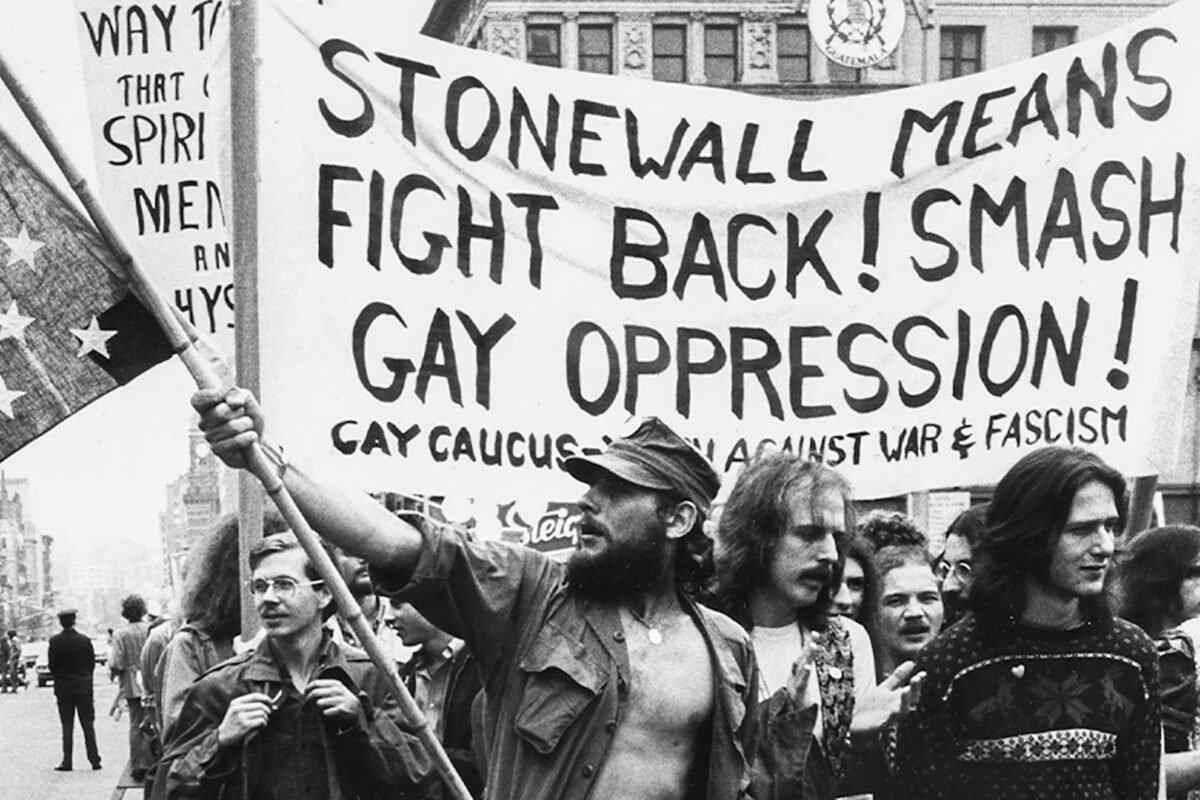
The first pride parades were a commemoration of the 1969 Stonewall Inn riots, a protest of LGBT people against police raids and violence against trans and gay people, that was commonplace at the time.
In the morning hours of 28 June 1969, the police came into Stonewall Inn, a bar in New York, to conduct a routine raid among the visitors, who were mostly LGBT. The raid procedure was the following: close premises, place visitors in a row, arrest men dressed in women’s clothes, verify their identity.
But that raid turned out otherwise. The bar patrons who were released and by-standers gathered in crowds in front of the bar and the confrontation of the arrested patrons with the police created a riot.
This marks one of the first uprisings of the LGBT community and its supporters against police violence. In the following years, the number of activists who celebrated the memory of these events grew. Today, the pride parades take place across the globe.
The Beginnings of the Organised LGBT Movement
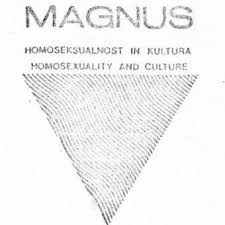
The organised LGBT movement in Slovenia began as early as the 1980s. In December 1984, the first founding meeting of the Magnus section was held. The section operated within the then ŠKUC Forum and was the first gay organisation in the socialist countries at the time. The formation of the section followed the Magnus Festival “Homosexuality and Culture”, held that April, which featured numerous LGBT-themed events, including an exhibition of homosexual press materials, film and video screenings, and other activities. (Velikonja, 20 Years of the Gay and Lesbian Movement, 2004)
In what was then Yugoslavia, the club scene also played an important role in LGBT organising. Every Saturday evening, the FV disco was transformed into the Magnus Gay Club, which provided the only organised social life for gay men in the socialist countries. Magnus was predominantly made up of gay men, and a year later, the feminist initiative Lilit was established. Within Lilit, the lesbian section LL was formed in 1987. It became independent the following year and continued its activities under the auspices of ŠKUC Forum. (Velikonja, 20 Years of the Gay and Lesbian Movement, 2004)
Over the years, these organisations left a strong mark on the cultural and literary landscape, as well as on HIV prevention awareness, social life, and initiatives promoting the creation of safe spaces for community gathering. Through various campaigns and initiatives, they also addressed political decision-makers and professionals. (Velikonja, 20 Years of the Gay and Lesbian Movement, 2004)
The Galerija Incident, the Radenska Protest, and the First Pride Parade in Ljubljana
Although a strong and progressive movement had already developed in Slovenia in the early 1980s, the country did not see its first Pride Parade until the new millennium.
In 2001, two poets, Brane Mozetič and Jean Paul Daoust, attempted to enter the Galerija bar in Ljubljana. A security guard turned them away, telling them that “we should get used to the fact that the bar is no longer for that kind of people” (Velikonja and Greif 2012, 209). The bar was located in the City Gallery, which was owned by the City of Ljubljana. Following the incident, the LGBT community demanded that state authorities respond to the intolerance and condemn both the establishment and the conduct of the security guard, whose actions were also defended by the bar’s owner.
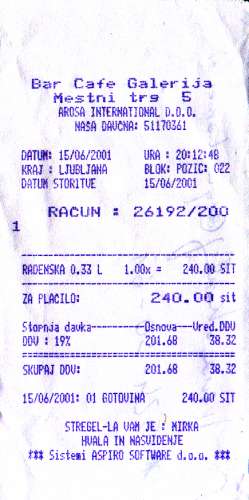
In response to the incident, the LGBT community and activists organised what became known as the Radenska drinking protest, which took place over several subsequent Fridays. Protesters who participated in the mineral-water protest would order only mineral water at the bar, occupy as many available tables as possible, and deliberately prolong their drinking, thereby reducing the owner’s profits (Velikonja and Greif 2012, 209).
Despite expectations that the city authorities would condemn the incident, this did not happen. Activists therefore began organising Slovenia’s first spontaneous Pride Parade, called “A Detour Around Intolerance – A March Against Homophobia.” This political and cultural action began in front of the ŠKUC Gallery in Ljubljana and ended in front of Ljubljana City Hall. It brought together a diverse range of speakers, including individuals and representatives of various organisations who joined the protest against intolerance, among them Amnesty International, the Association for Nonviolent Communication, the Peace Institute, and the Association for the Theory and Culture of Disability.